How to Look After Colour-Treated Hair: UK Guide & Pro Tips 2026
6 October 2026

Few things lift your spirits like a fresh hair colour, but keeping your shade vibrant and your hair healthy is no small feat. In the UK’s unpredictable climate, dyed locks face unique challenges—fading, dryness, and damage can sneak up faster than you’d expect. If you’re wondering how to look after colour-treated hair and make your investment last, you’re in the right place.
Key Takeaways
- Use products specifically formulated for colour-treated hair to help prevent fading and keep hair nourished.
- Limit washing, use cool water, and avoid harsh chemicals to prolong your colour.
- Incorporate UV and heat protection for dyed locks, especially important in the UK’s changing weather.
- Regular deep conditioning and trims are essential maintenance for dyed hair.
- Choose reliable UK brands and salons for the best results and advice.
Why Special Care is Essential for Colour-Treated Hair
The Science Behind Colour-Treated Hair
How to look after colour-treated hair starts with understanding what happens when you dye your hair. Colouring lifts the hair cuticle, allowing pigments to penetrate, but this also causes moisture loss and vulnerability to environmental stress. In the United Kingdom, where hard water and fluctuating humidity are common, colour-treated hair faces additional challenges. Knowing the science helps you choose the right products and habits for your routine.
Common UK Problems for Dyed Hair
Maintenance for dyed hair in the UK often means battling more than just split ends. Rain, wind, and city pollution can cause premature fading and a dull appearance. Frequent washing—especially with chlorinated or hard water—strip colour molecules, while central heating can leave hair brittle. If you’re seeking ways to enhance hair colour longevity, you’ll need to address these UK-specific issues head-on.
Washing and Conditioning: Core Steps for Colour Longevity
How Often Should You Wash Colour-Treated Hair?
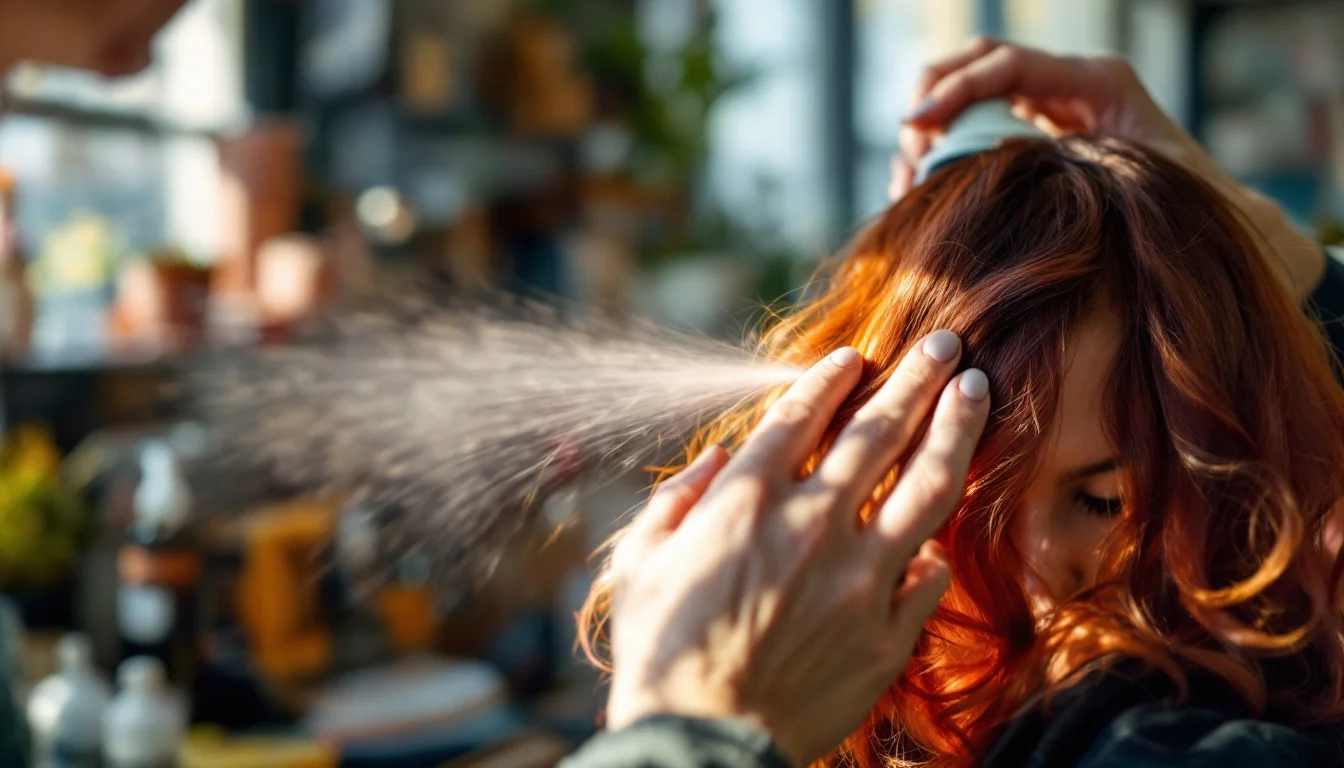
It’s tempting to wash your hair daily, but how often should you wash colour-treated hair? Experts agree: 2–3 times per week is ideal for most. Over-washing can cause colour to fade quickly and dry out your hair. On non-wash days, try dry shampoo formulated for coloured hair, which absorbs oil without dulling your shade. It’s a small change that makes a big difference in how to look after colour-treated hair.
Should I Use Special Shampoo for Coloured Hair?
Absolutely. Specially formulated shampoos are fundamental in UK hair care for dyed locks. Sulphate-free shampoos clean gently, preserving colour and moisture. The best products for colour-treated hair often contain UV filters and antioxidants to protect against fading. If you’re unsure which to pick, look for labels that specify “colour-safe” and check for nourishing ingredients like argan oil, keratin, or shea butter. These are widely available from reputable UK retailers and online shops.
Best Conditioners for Coloured Hair in the UK
Conditioners for coloured hair are designed to hydrate and seal the cuticle, which helps retain pigment and reduce frizz. The best conditioners for coloured hair in the UK often include rich, moisturising components and are free from harsh chemicals. Brands like Pureology, Charles Worthington, and Aveda are favourites among UK stylists. Regular conditioning—paired with occasional deep treatments—forms the foundation of how to care for coloured hair.
Nourishing Treatments: Deep Care for Lasting Colour
Weekly Masks and Leave-Ins
Weekly treatments provide essential nourishment for coloured hair. Masks enriched with proteins and oils replenish lost moisture and reinforce the cuticle, making them a top recommendation for maintenance for dyed hair. Leave-in conditioners and serums can help protect hair from daily aggressors, while also offering detangling and shine benefits. In the UK, these are easily available from high street salons and online beauty shops.
Professional Treatments vs At-Home Care
Professional salon treatments such as Olaplex or K18 can repair bonds broken during colouring. These are especially effective for those experiencing dryness or brittleness. However, at-home masks—used consistently—can also make a significant difference. If you’re wondering how to prevent colour-treated hair damage, combining salon and at-home care offers the best of both worlds. Don’t overlook affordable options; supermarket brands have improved and can deliver impressive results for the price.
| Nourishing Treatment | Average UK Price (2026) | Main Benefit |
|---|---|---|
| Deep Conditioning Mask | £10 – £35 | Intense hydration and softness |
| Bond-Building Treatment (e.g. Olaplex) | £24 – £38 | Strengthens and repairs hair structure |
| Leave-In Cream | £7 – £20 | Daily moisture and frizz control |
| Heat/UV Protectant Spray | £8 – £25 | Prevents colour fading from sun and styling tools |
Tips for Preserving Hair Colour
To maximise colour longevity, always rinse with cool water—this closes the cuticle and helps lock in pigment. Limit heat styling, and if you must use straighteners or curling tongs, always apply a heat protectant. These simple steps are proven ways to enhance hair colour longevity and should be part of every UK hair care routine for dyed locks.
Protecting Coloured Hair from Fading and Damage
UV and Environmental Protection
Even in the often-cloudy United Kingdom, UV rays are a major culprit in fading hair colour. Use UV protection for dyed hair, such as sprays or creams with built-in SPF, whenever you’re outdoors for extended periods. Hats and scarves offer extra protection, and many UK occasionwear shops stock stylish options for events or holidays. Remember, prevention is key to maintaining vibrant hair colour through the seasons.
Heat, Water and Day-to-Day Habits
Heat styling should be kept to a minimum, and always use a heat protectant product. If you swim regularly, protect your hair from chlorine and saltwater damage by wetting it before entering the pool and applying a leave-in conditioner. For more information on hair and skin protection, the BBC Health offers in-depth guides. Daily maintenance—such as gentle brushing and avoiding tight hairstyles—also reduces breakage and helps prevent colour-treated hair damage.
How to Maintain Vibrant Hair Colour for Longer
Touch up roots only as needed and avoid overlapping colour applications, which can weaken hair. If you’re planning a special occasion or event, book a glossing treatment at a reputable UK salon for an instant colour refresh. These treatments add shine and seal in colour, making them a popular choice for weddings and parties featured in Mane Attraction.
Choosing the Best UK Products for Colour-Treated Hair
Salon vs High Street Brands
When it comes to the best products for colour-treated hair, the UK offers a wide range—from luxury salon names to budget-friendly options at Boots and Superdrug. Salon favourites like Pureology, Redken, and Aveda are known for their advanced colour-protect formulas and nourishing ingredients. High street brands such as OGX and Charles Worthington provide effective, affordable choices for everyday maintenance for dyed hair.
What Ingredients to Look For
Read product labels carefully. Look for UV filters, antioxidants (like vitamin E), and natural oils. Avoid parabens and sulphates, which can strip colour. For those with sensitive scalps, fragrance-free options are available. Which? regularly tests and reviews hair products in the UK, providing impartial advice based on real results.
Ways to Enhance Hair Colour Longevity at Home
Between salon visits, use colour-refreshing shampoos and conditioners or tinted masks designed to boost tone and shine. Incorporate a weekly nourishing treatment for coloured hair, and don’t forget to trim your hair every 6–8 weeks to remove split ends. These easy steps can dramatically improve how to look after colour-treated hair for months.
Expert Tips for Special Occasions and Events
Bridal and Party Hair Care
Special occasions in the United Kingdom—weddings, hen parties, or milestone birthdays—often mean extra styling and exposure to heat tools. If you’ve recently coloured your hair, plan ahead: book professional blow-dries or styling with stylists experienced in handling dyed hair. Ask for low-heat styling and protective products to prevent unnecessary damage, ensuring your colour looks fresh in photos.
Photography and Colour-Treated Hair
Lighting can affect the appearance of coloured hair in photos. Use shine-boosting serums and anti-frizz sprays to ensure your hair looks its best. For big events, consider a glossing treatment a week prior, and coordinate with your photographer for lighting that flatters your hair’s tone. Many UK photographers understand how to capture vibrant hair colour beautifully, so consider discussing lighting and style preferences with your chosen professional.
Occasionwear Tips for Coloured Hair
Match your hairstyle to your outfit and event—updos protect ends from friction, while loose waves showcase colour dimension. Accessories such as hats, headbands, or clips can add flair and provide additional protection. For more inspiration, browse UK occasionwear boutiques or ask your stylist for their recommendations.
Frequently Asked Questions
How can I stop my colour-treated hair from fading too quickly?
Limit washing, avoid hot water, and use products with UV protection. Regular deep conditioning and gentle handling help preserve your colour for longer.
Are salon products really better than high street brands?
Salon products often contain more advanced formulas and higher-quality ingredients, but many high street options now offer excellent protection for dyed hair at a lower price.
How do I repair damage from colouring?
Use weekly protein-rich masks, minimise heat styling, and get regular trims. Bond-building treatments, both at home and in salons, are particularly effective for restoring strength.
Is it safe to colour hair frequently?
Frequent colouring can increase the risk of dryness and breakage. Space out treatments, use nourishing products, and consult a professional for advice tailored to your hair type.
Can I go swimming with colour-treated hair?
Yes, but protect your hair by wetting it first and applying conditioner before entering chlorinated or salt water. Use a swim cap for extra defence, and rinse hair immediately after swimming.
Learning how to look after colour-treated hair is an investment in both your hair and your confidence. With the right products, habits, and advice tailored to the United Kingdom’s needs, vibrant colour and healthy locks are within reach. For more expert, impartial hair care tips and event inspiration, visit Mane Attraction’s latest guides and features.